
Team Uniforms / Rugby
Custom Rugby
Teamwear
Match. Train. Tour.
Develop coordinated rugby shirts, shorts, socks and requested supporting layers around team identity, playing conditions, fit, artwork, roster data and delivery brief.
Complete Rugby Range
Five coordinated routes. One approved team identity.
Match Kits
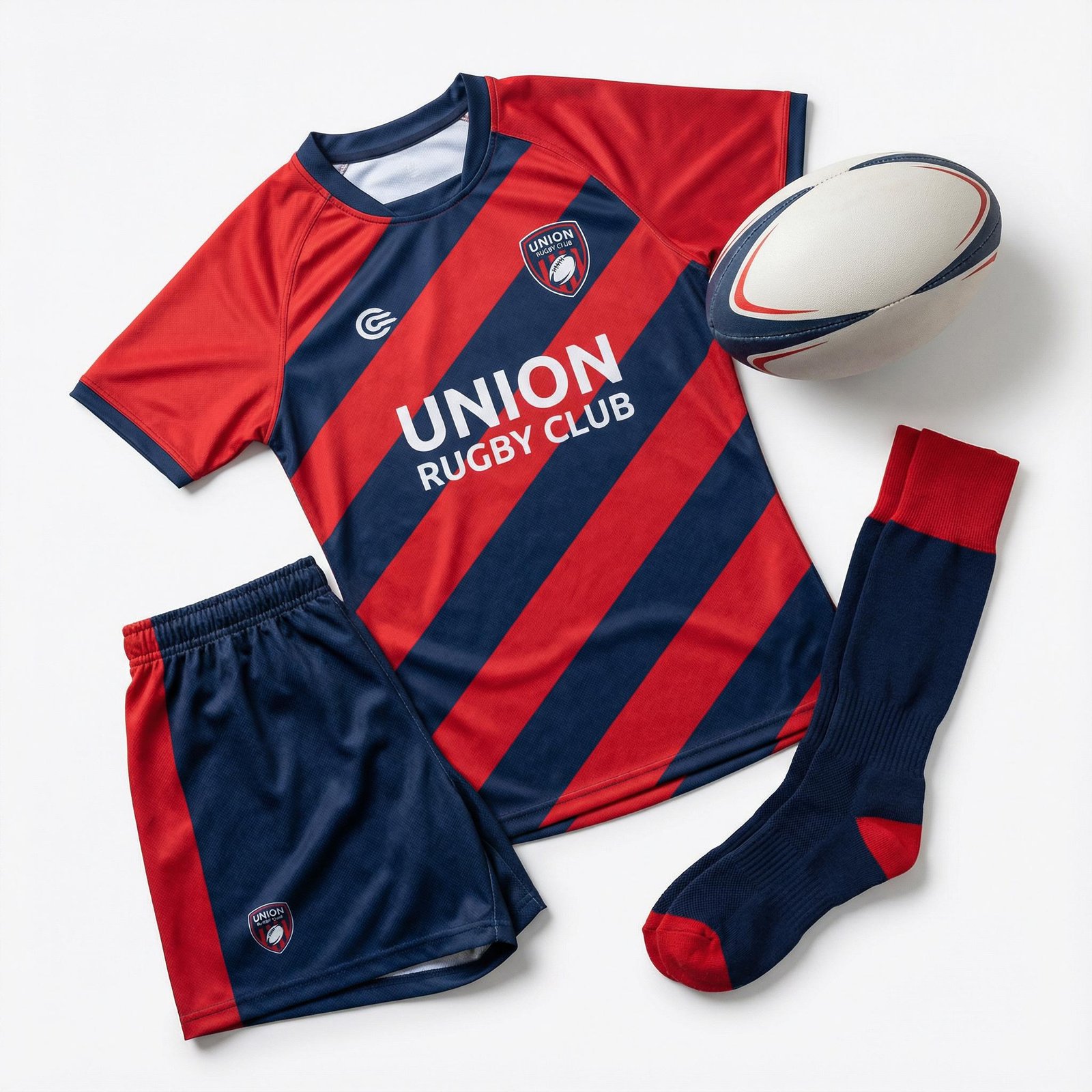
- Rugby shirts, shorts and socks
- Requested sleeve and collar routes
- Team colours and artwork
Training
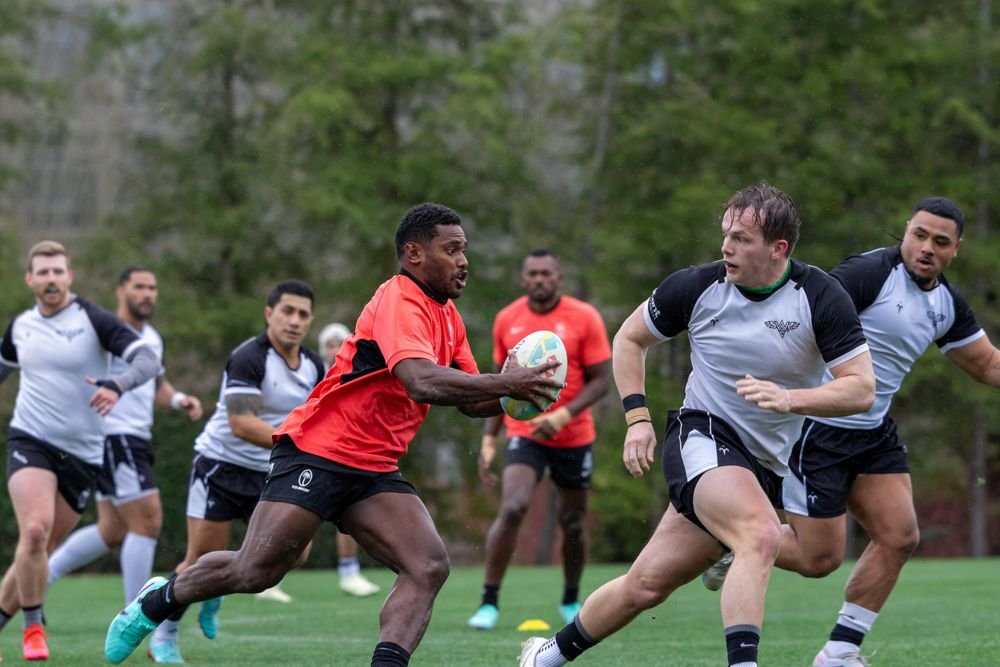
- Warm-up and conditioning layers
- Weather-aware outer layers
- Coach and staff options
Fit Directions
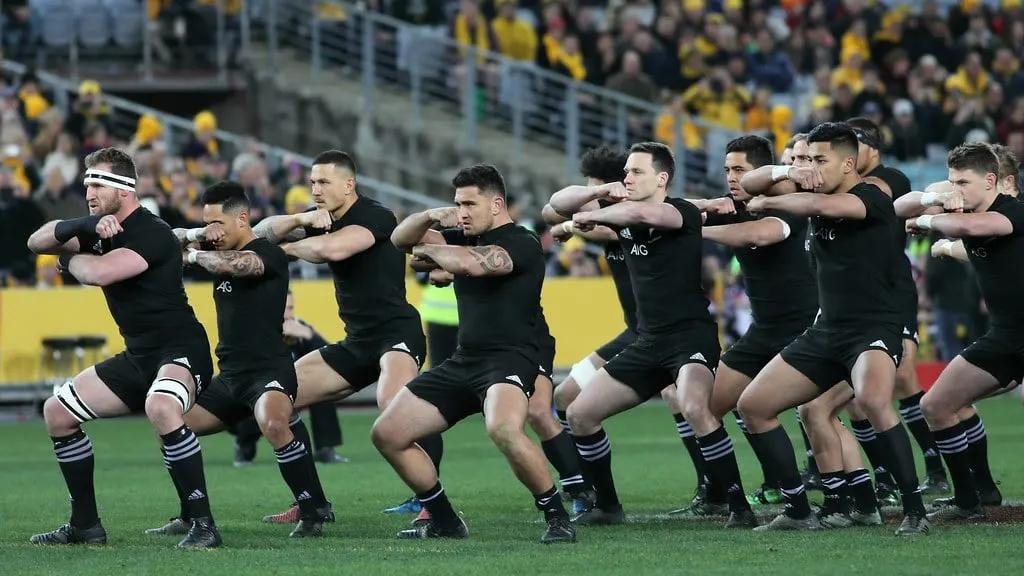
- Position and wearer requirements
- Requested fit profiles
- Sample-led approval
Squad Sizing

- Adult and youth routes
- Separate top and short sizes
- Checked roster allocation
Club Programme

- Match and training continuity
- Home and alternate directions
- Controlled repeat references
Materials & Performance
Select fabric by garment, climate, movement, contact, opacity, decoration and repeated-wear requirements—not by one generic fabric promise.
Moisture Management
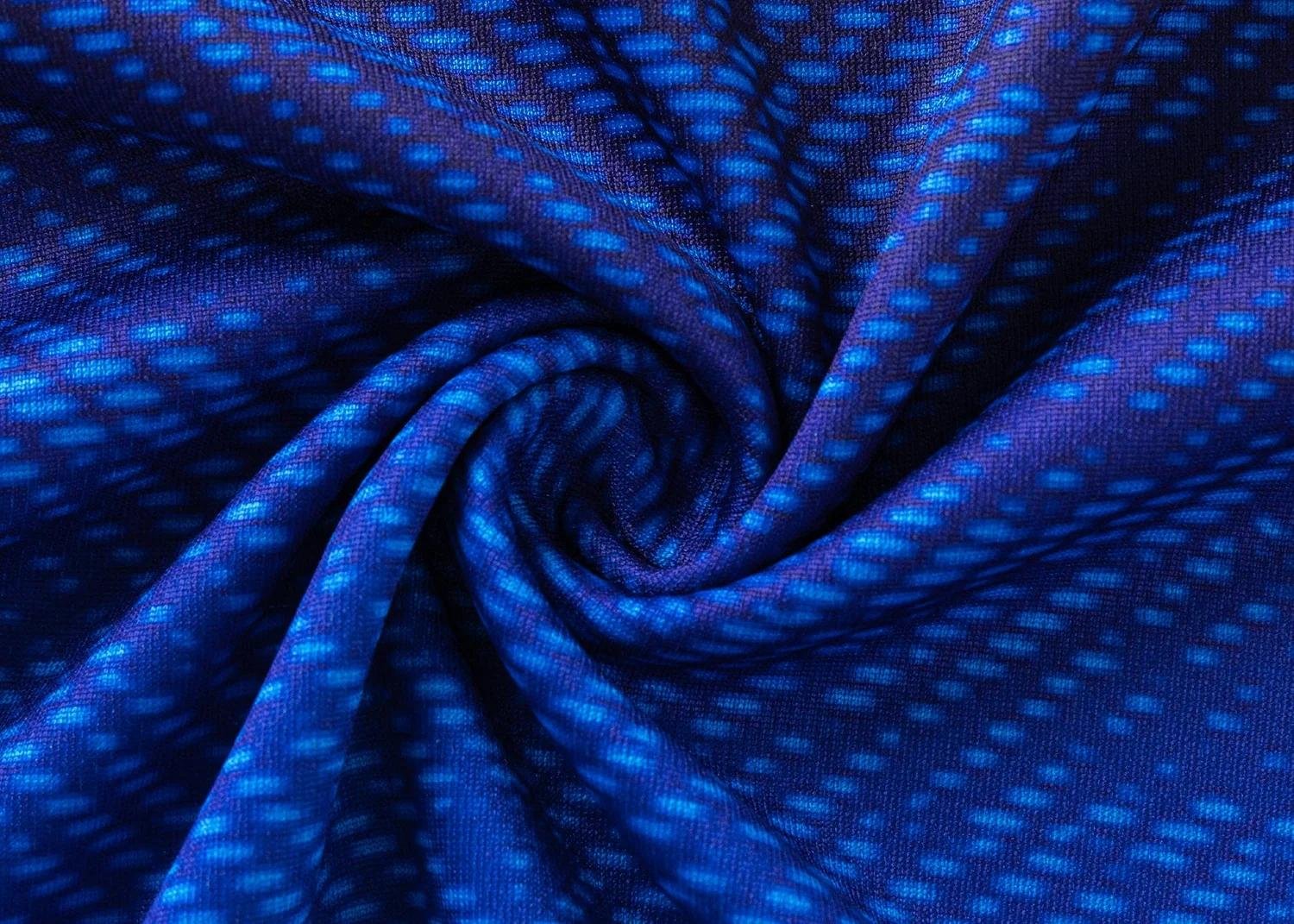
Polyester structures can be reviewed for match and training garments.
Breathability
Ventilation zones are positioned around the selected shirt construction.
Contact Movement
Shoulders, sleeves and torso shape are assessed around rugby movement.
Opacity
Light colourways and stretched areas are checked during development.
Colour Control
Approved references guide match, training and repeat orders.
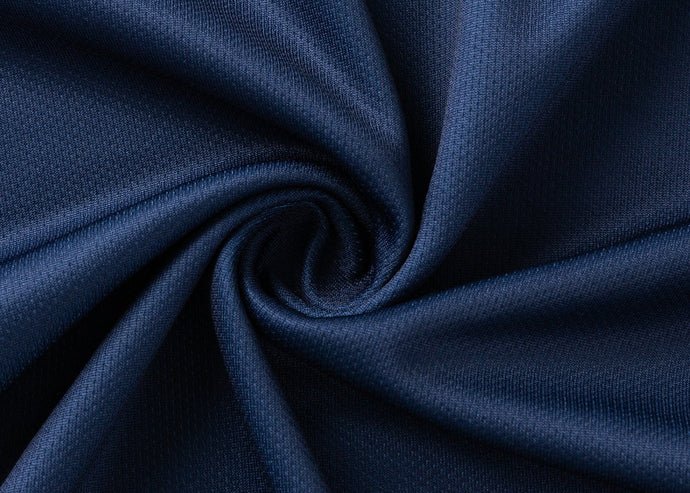
Built Around Rugby Movement
Construction Details
Collars, shoulder panels, contact seams, shirt length, short fit and artwork positions are resolved inside the approved rugby specification.


Fit & Collar
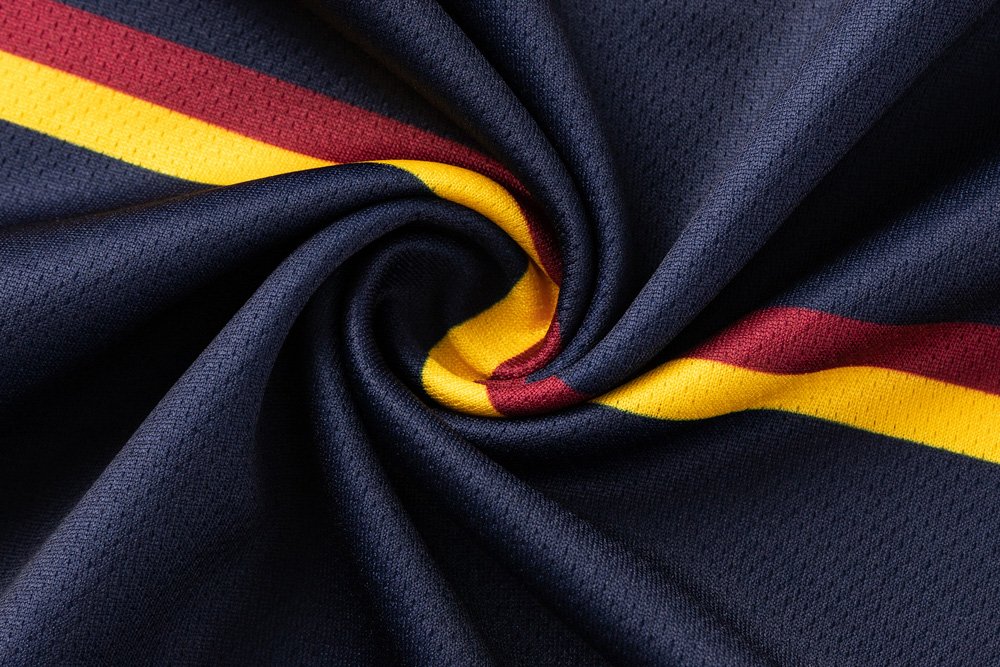
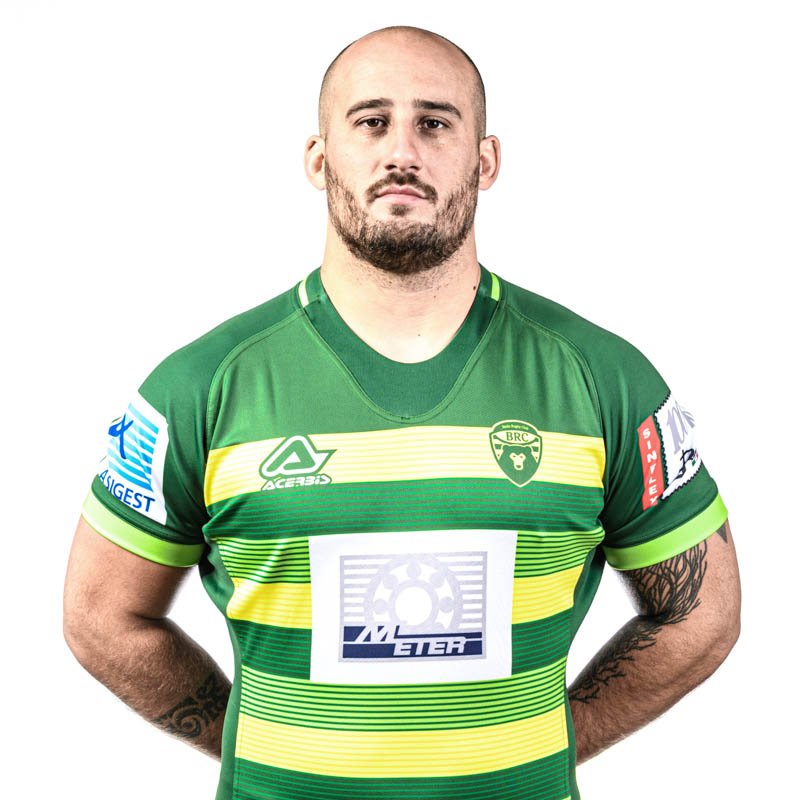
Neckline, collar, sleeve shape, shoulder panelling and body length are reviewed on the sample.
Contact Seams
Panel joins and stress areas are checked against the selected garment construction.
Decoration Zones
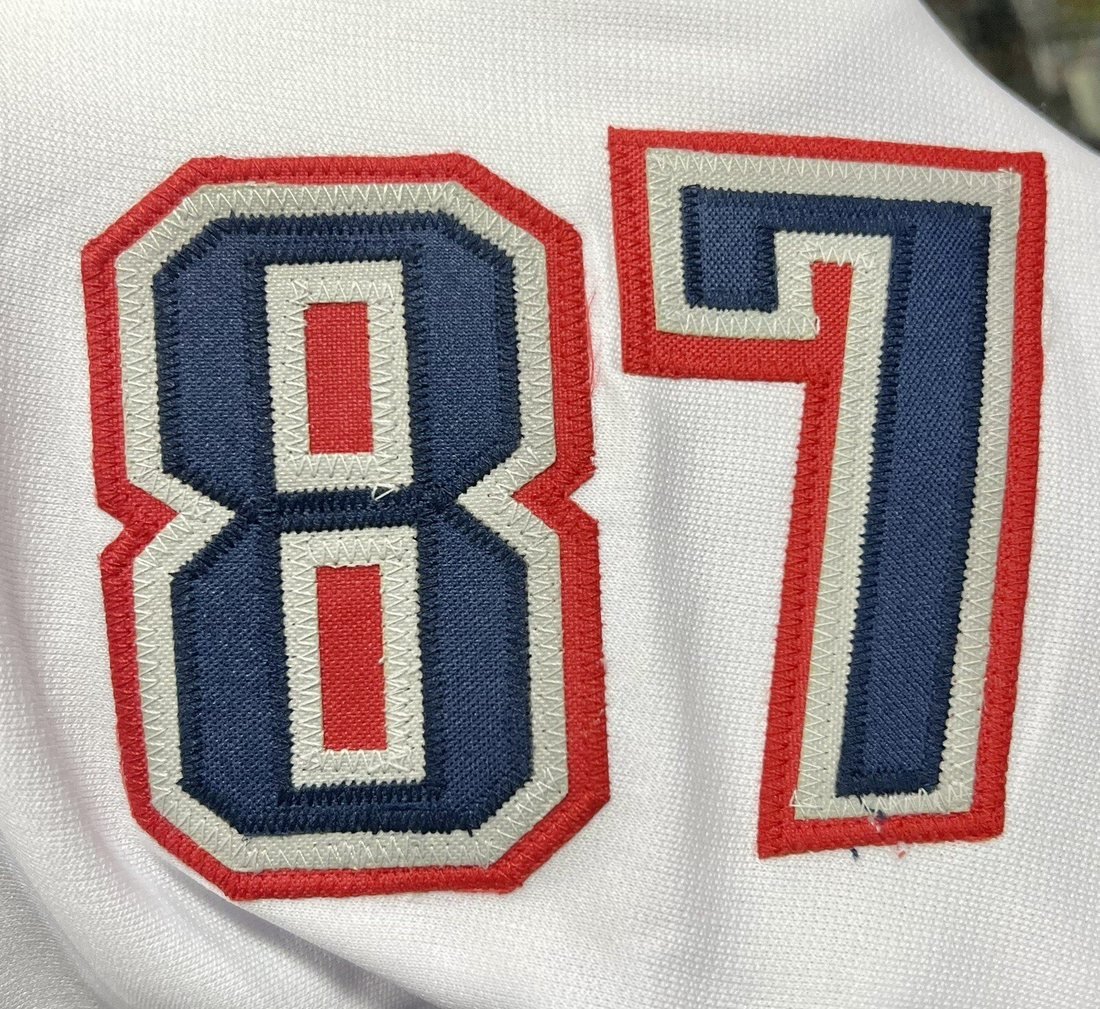
Crest, sponsor, player name and number fields are placed against fabric and construction requirements.
Alternate Identity
Home, alternate and training directions retain controlled identity while keeping their own specification.

Customization
Open a Rugby design in the KITPRO configurator to test compatible colours, crest, sponsor, player name and squad number before sending the brief.
Design Colours
Change compatible indexed colour zones independently.
Club Crest
Place and review permissioned team artwork.
Sponsor
Add sponsor text or artwork to the supported print area.
Player Roster
Set names, numbers and garment sizes before final roster review.
From Brief to Dispatch
Development to Delivery
Each stage keeps the rugby garments, fit, artwork, construction and squad decisions attached to one current specification.



Brief
Confirm garments, quantities, size split, destination, playing conditions and required date.
Configure
Select a Rugby design and test compatible colours and identity fields.
Review
Resolve construction, artwork, materials, measurements and the agreed sample route.
Approve
Authorise the current specification and player roster in writing.
Produce
Plan production, squad allocation, packing and dispatch against that approval.
Approval Checkpoints
The buyer and KITPRO TEAMWEAR review the exact rugby specification before bulk authorisation. Final checks depend on the agreed product and order.
Material
Fabric identity, colour reference, opacity and approved construction.
Measurements
Shirt and short points checked against the accepted size route.
Construction
Collars, seams, hems, stress points and trims checked against the sample.
Artwork
Crest, sponsor, names and numbers checked against controlled files.
Packing
Kit direction, size and roster allocation reviewed before packing.





Rugby Buyer FAQ
Resolve Fit Before Production


Start With a Visible Direction
Build Your Rugby Kit
Choose a front-and-back design, test compatible colour zones and add the team identity before sending the specification for review.